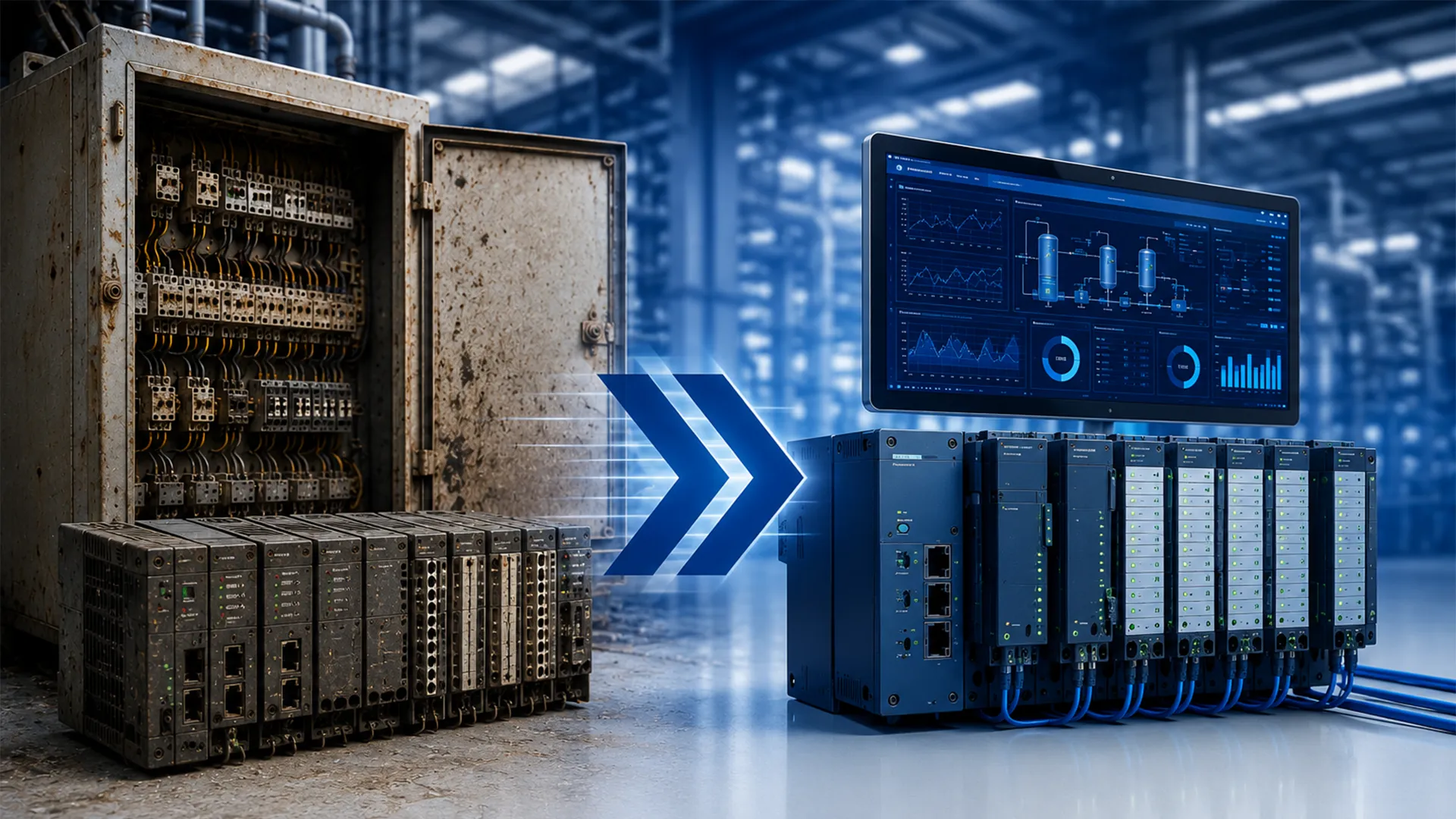
Upgrading Industrial Automation Systems
Industrial automation systems are the driving force behind modern production facilities, playing a vital role in improving productivity, product quality, and operational safety. However, after years of continuous operation, control equipment such as PLCs, relay-based control systems, and monitoring software inevitably face hardware aging, technical limitations, and increasing maintenance costs. Identifying the right time to modernize these systems is essential to preventing unexpected production downtime and avoiding costly operational disruptions.
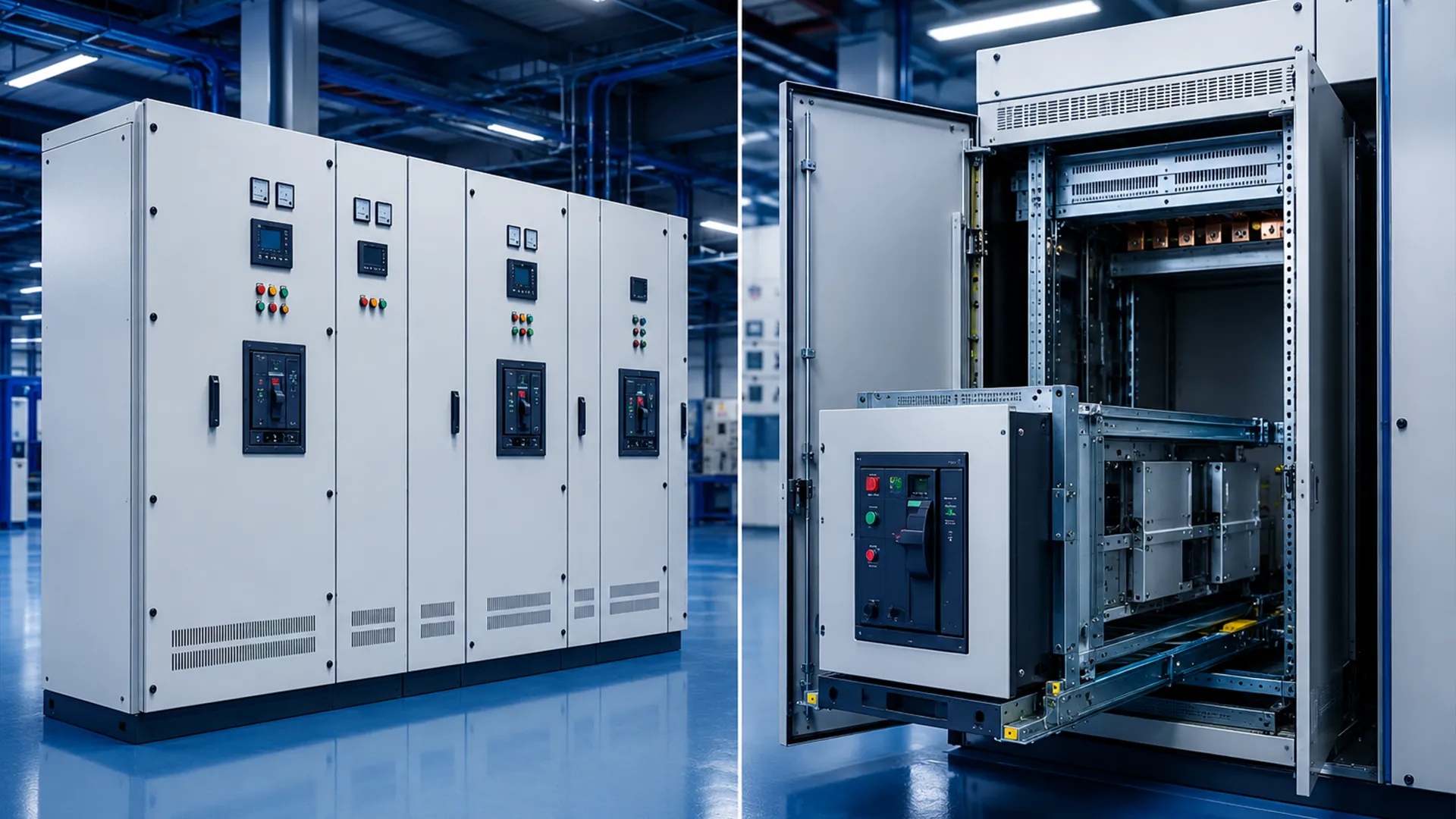
One of the clearest indicators that an automation system requires upgrading is the occurrence of frequent failures in PLCs or control panels. When spare parts become difficult to obtain, manufacturers discontinue technical support, or troubleshooting and repair times continue to increase, system modernization becomes a practical necessity. Likewise, aging relay-based control systems often result in complex wiring, difficult fault diagnosis, and limited flexibility for future production line expansion.
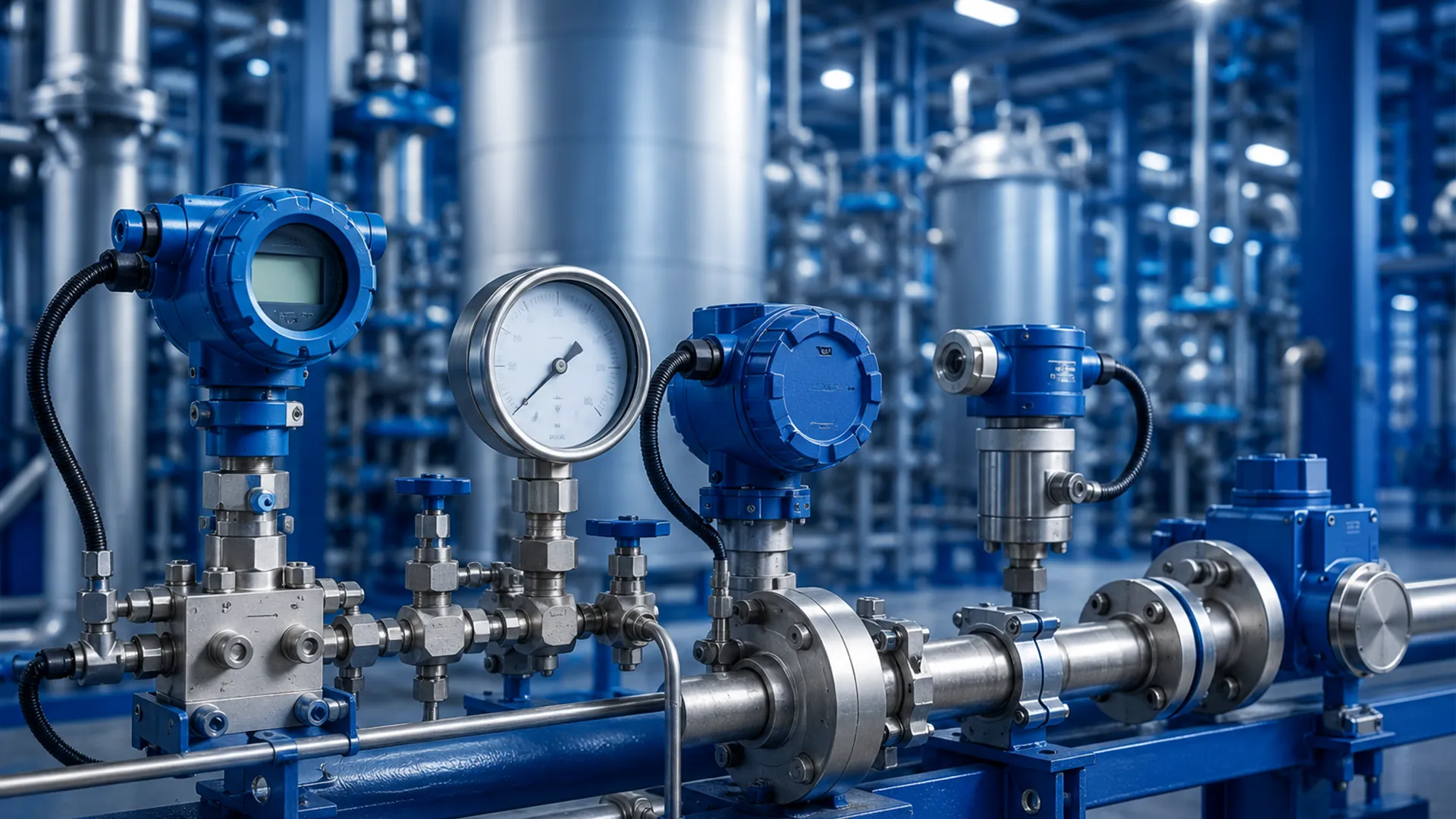
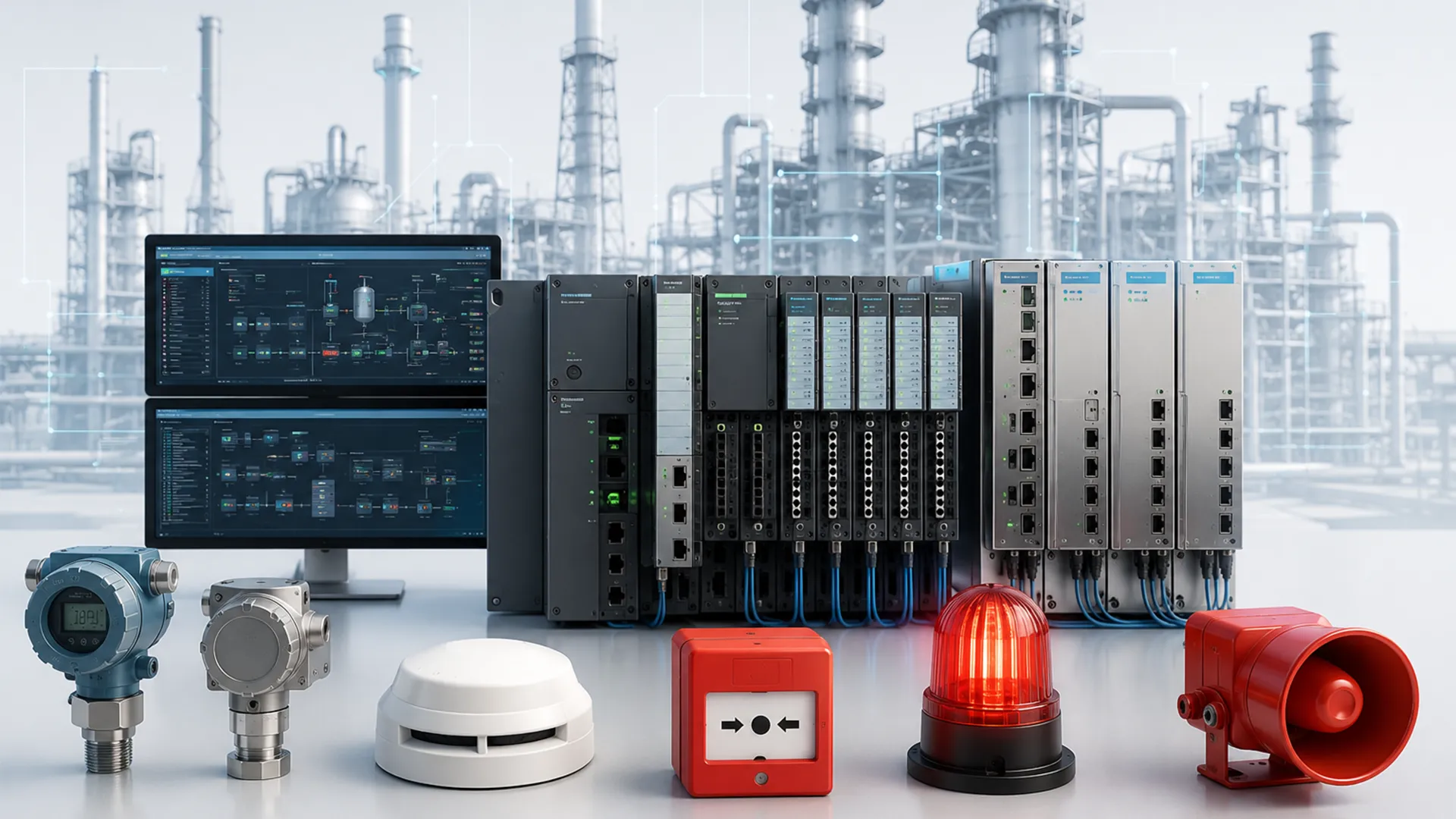
Upgrading both hardware and software delivers significant operational benefits. Modern PLC platforms, advanced HMI solutions, and SCADA systems provide more accurate process control, real-time monitoring, historical data logging, and seamless integration with industrial communication networks. These capabilities not only improve operational efficiency but also establish the technological foundation required for digital transformation and Industry 4.0 initiatives.
From an economic perspective, automation system modernization represents a long-term investment. Reduced production downtime, lower energy consumption, decreased maintenance costs, faster troubleshooting, and improved availability of replacement parts all contribute to a substantial reduction in operating expenses. In addition, modern automation platforms are designed to comply with current functional safety and cybersecurity standards, significantly reducing the risks associated with equipment failures and cyber threats.
As a general guideline, if an automation system has been in operation for more than 10 to 15 years, experiences recurring failures, limits production line expansion, or requires continuously increasing maintenance expenditures, it is an appropriate time to consider a comprehensive automation upgrade. When executed by experienced engineering specialists, system modernization not only enhances equipment reliability but also improves operational efficiency, reduces lifecycle costs, and delivers sustainable long-term value for industrial facilities.